Artificial Intelligence as Oxymoron: Algorithmic Reason and the Reification of Thought
Researcher: Mary Caputi
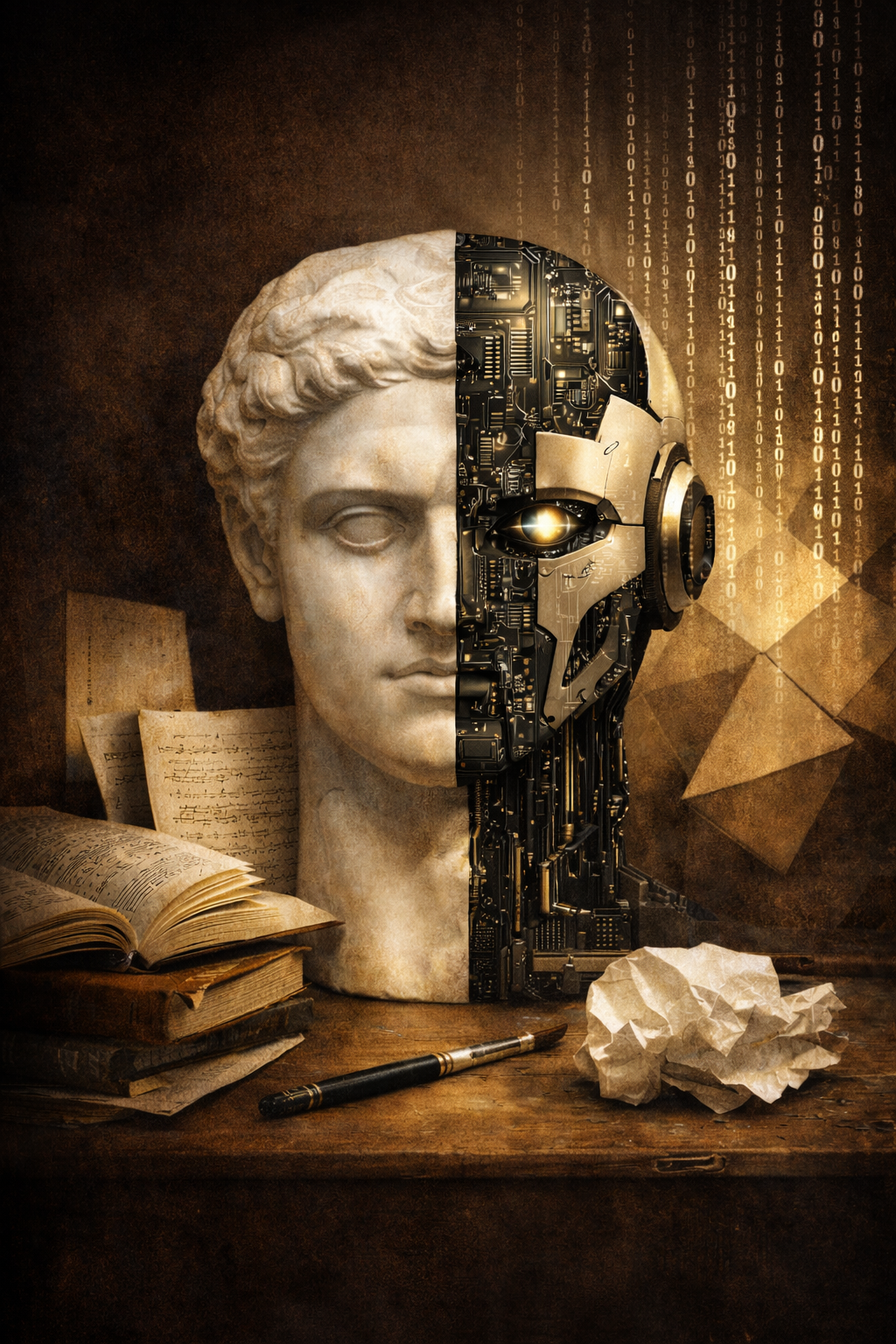
Artificial Intelligence as Oxymoron is an ongoing research project that critically interrogates the concept of artificial intelligence through the theoretical frameworks of Frankfurt School Critical Theory. Drawing primarily on the work of Herbert Marcuse and Theodor W. Adorno, the project argues that, from a dialectical and socially mediated perspective, the dominant contemporary understanding of “artificial intelligence” rests on a categorical mistake. Specifically, it contends that intelligence—properly understood within Critical Theory—cannot be reduced to information processing, data optimization, or computational problem-solving, and that the term “artificial intelligence” is therefore, in a strong sense, an oxymoron.
The project proceeds from the premise that Critical Theory defines intelligence not as the accumulation or manipulation of facts, but as a historically mediated, socially situated, and open-ended mode of cognition. By contrast, contemporary AI systems operationalize intelligence as quantifiable information, thereby collapsing the distinction between thought and data, judgment and calculation. This collapse has significant implications for critical reason, imagination, and social critique in an era increasingly shaped by algorithmic governance and automated knowledge production.
This research project does not seek to speculate about machine consciousness, artificial subjectivity, or future scenarios of superintelligent AI. Nor does it attempt to adjudicate technical debates within computer science regarding model performance or computational efficiency. Instead, its primary concern lies in the philosophical and social implications of redefining intelligence as information within contemporary capitalist societies.
By reclaiming Frankfurt School conceptions of intelligence as dialectical, mediated, and socially embedded, the project aims to contribute a critical framework for resisting the normalization of algorithmic reason. In doing so, it provides theoretical resources for understanding how artificial intelligence reshapes epistemology, culture, and critical thought itself—often in ways that undermine the very capacities that Critical Theory has historically sought to defend.
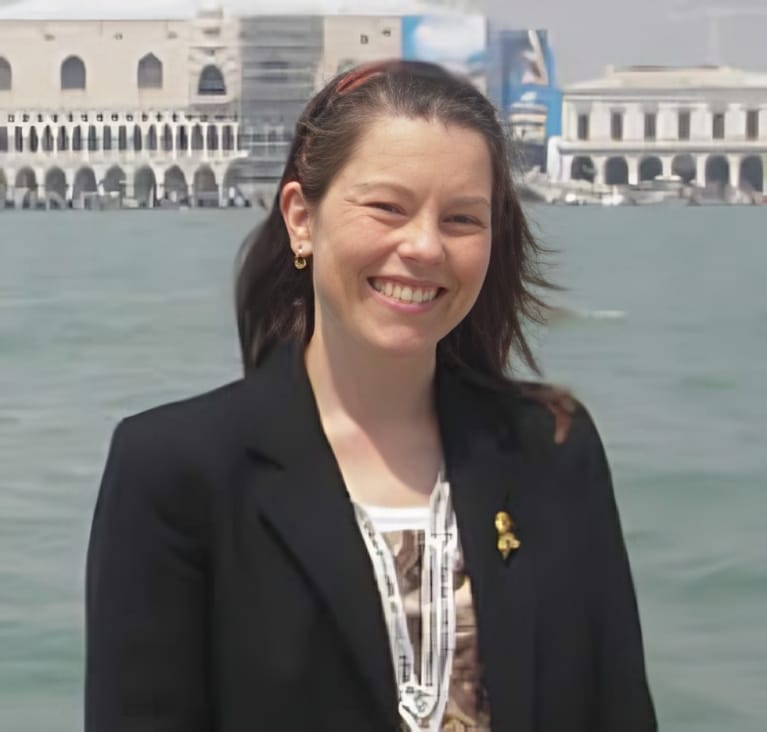
Mary Caputi is Professor Emerita of Political Theory at California State University, Long Beach, where she taught political theory, feminist thought, and critical thinking for thirty years. Her scholarship spans feminist political theory, critical theory, American culture, and the politics of power and resistance. Her most recent publication is the Research Handbook on Feminist Political Thought (Edward Elgar, 2024), co-edited with Patricia Moynagh. She is the author of Slow Culture and the American Dream: A Slow and Curvy Philosophy for the 21st Century (Lexington Books, 2022), Feminism and Power: The Need for Critical Theory (Lexington Books, 2013), A Kinder, Gentler America: Melancholia and the Mythical 1950s (University of Minnesota Press, 2005), and Voluptuous Yearnings: A Feminist Theory of the Obscene (Rowman & Littlefield, 1994). With Amirhosein Khandizaji, she co-authored David Riesman and Critical Theory: Autonomy versus Emancipation (Palgrave Macmillan, 2021). Professor Caputi has also co-edited several influential essay collections, including Teaching Marx and Critical Theory in the Twenty-First Century (Brill, 2019, with Bryant Sculos), Jacques Derrida and the Future of the Liberal Arts (Bloomsbury, 2013, with Vincent Del Casino), and Revisiting Marcuse: Critical Reflections and New Perspectives (Palgrave Macmillan, 2025, with Amirhosein Khandizaji). She served as editor of Politics & Gender from 2016 to 2019 and has taught abroad in Florence and Rome, Italy. She is currently working on a book on American counterculture in the twenty-first century.