Where AI Meets Critical Inquiry
Our Mission
The mission of CASC is to provide critical insight into the societal consequences of AI and digital technologies, and to cultivate forms of knowledge that enable reflection, accountability, and democratic agency.
We pursue this mission through:
- Critical inquiry that exposes the ideological foundations and power relations embedded in algorithmic systems
- Conceptual and empirical research that links technological mechanisms to lived social experience
- Public scholarship that translates complex analysis into accessible frameworks for public debate
- Interdisciplinary collaboration that bridges the humanities and social sciences in the study of technology
CASC seeks not to oppose technological development as such, but to question the conditions under which it unfolds, the interests it serves, and the forms of life it promotes.
Our Commitments
At CASC, we believe that understanding AI is inseparable from understanding society itself. Technologies do not simply change what we do; they transform how we interpret the world and ourselves within it. For this reason, our work insists on placing ethical reflection, cultural meaning, and human values at the center of technological analysis.
Through research, publications, public engagement, and international collaboration, CASC aims to foster spaces of critical reflection beyond commercial imperatives and instrumental rationality. Our goal is not merely to analyze AI’s effects, but to contribute to a broader societal conversation about what kinds of technological futures are desirable—and for whom.
CASC is ultimately committed to the idea that technological power must be accompanied by critical understanding if it is to serve genuinely human ends.

Why CASC?
Contemporary societies are increasingly governed through algorithmic systems that operate below the threshold of conscious awareness. From recommendation engines and predictive analytics to automated classification and behavioral nudging, AI technologies quietly shape decisions, normalize particular values, and delimit the space of possible action.
These processes give rise to profound challenges, including:
- the subtle erosion of autonomy through behavioral optimization
- the fragmentation of shared reality via algorithmic mediation
- the decline of sustained attention and critical reflection
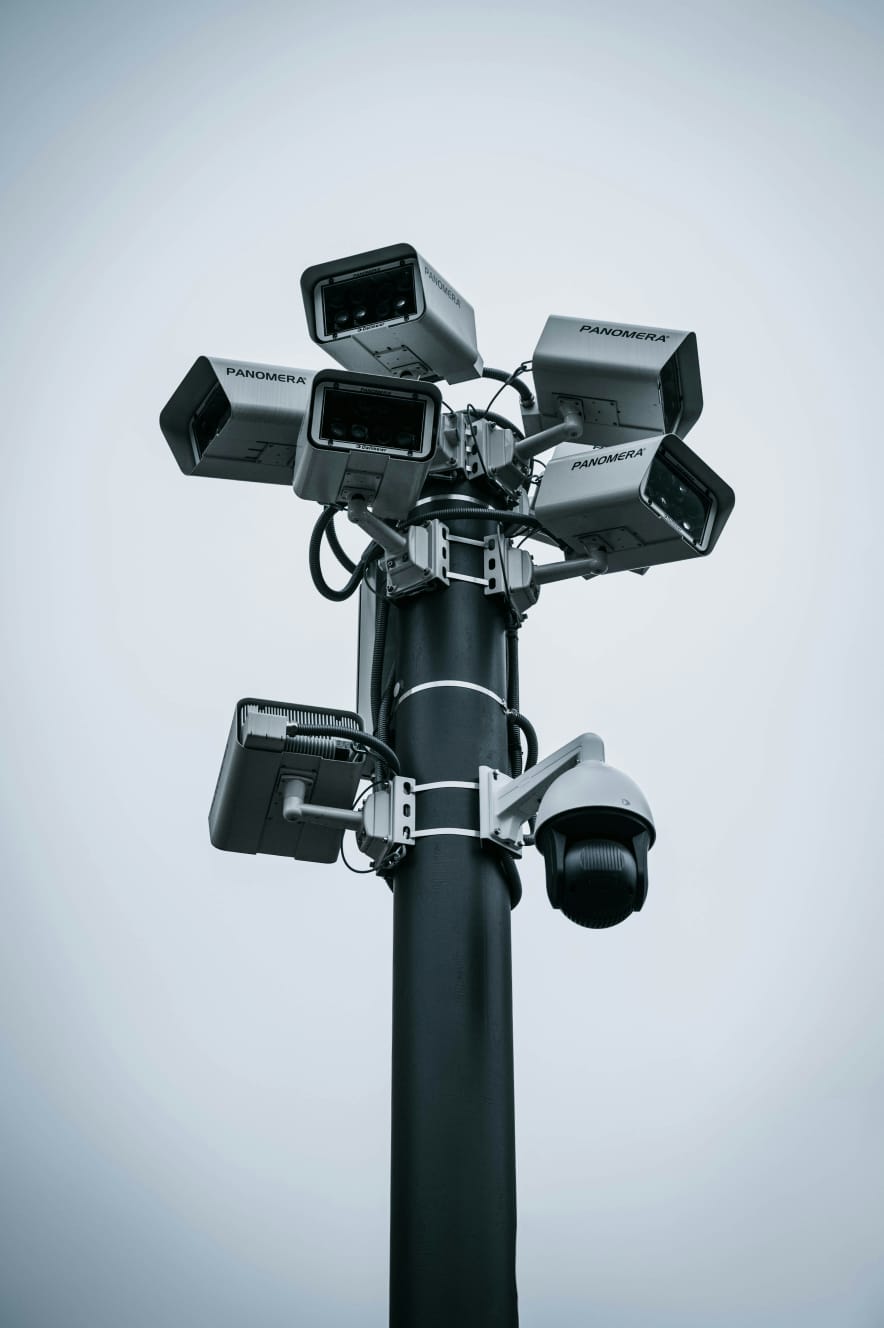
- the expansion of surveillance and data-driven governance
- the reproduction of social hierarchies through automated systems
- new modes of “soft domination” grounded in convenience, personalization, and efficiency
CASC exists to confront these challenges with intellectual rigor and critical imagination.
01. Our Mission
CASC investigates the profound social, cultural, ethical, and psychological consequences of artificial intelligence and digital technologies. Drawing from cultural studies, sociology, philosophy, and media studies, we illuminate the hidden structures of manipulation, domination, and power that operate through technological systems.
02. Our Commitments
- Critical Inquiry— interrogating the ideological assumptions and power relations embedded in AI and platform systems.
- Public Understanding— translating complex research into accessible knowledge for policymakers, journalists, educators, and the wider public.
- Democratic Responsibility— helping societies navigate technological change with autonomy, dignity, and ethical clarity.
03. Why CASC?
In a world dominated by algorithmic governance, data extraction, predictive analytics, and automated decision-making, societies face unprecedented challenges:
- weakened autonomy through subtle behavioral manipulation
- erosion of deep attention caused by media acceleration
- epistemic fragmentation and disinformation
- new forms of inequality generated by automated classification systems
- consolidation of cultural power in a handful of platforms
- the emergence of “soft domination” through convenience, personalization, and frictionless choice
CASC exists to confront these challenges through rigorous scholarship and critical imagination.