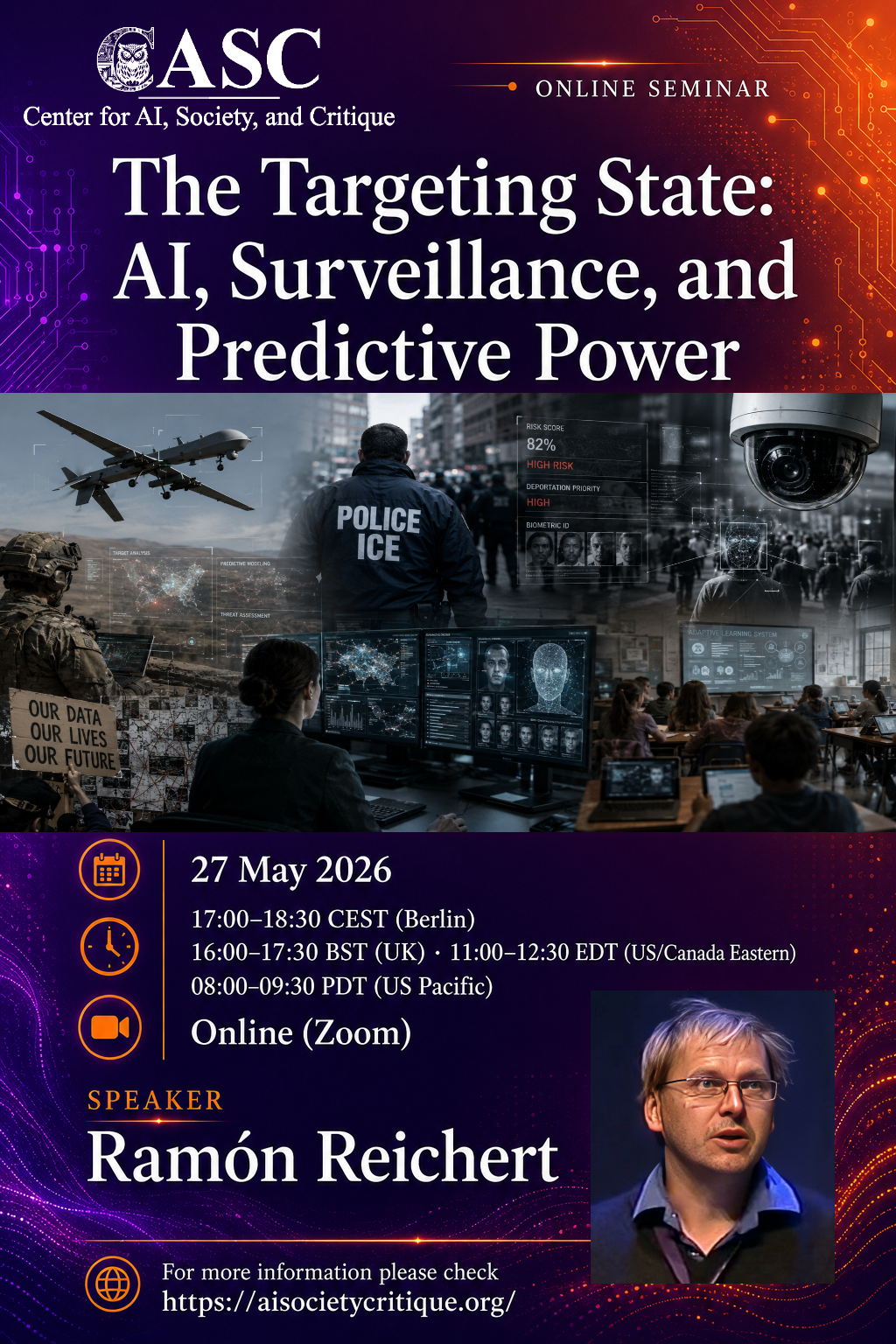
Hypomnemata and the New Industrialization of Memory in GenAI
James E. Dobson
In 2025, large commercial GenAI chatbot vendors quietly introduced a new “memory” feature. “Memory,” in this context, refers to the inclusion of selected summaries of prior interactions alongside the current prompt in the model’s context window, producing the appearance of persistent state in a fundamentally stateless architecture. Through the industrial management of what I would term memory-as-context, chatbot applications implementing this memory feature blur the distinction between in-context learning and in-weights learning. By continually retrieving and reinserting prior interactions into new contexts, these applications create the appearance of ongoing adaptation and persistent personal memory, even though the underlying language model remains unchanged. This manufactured continuity encourages the perception of a chatbot personality, intensifies anthropomorphic interpretations of model behavior, and enables the construction of increasingly detailed user profiles that can become objects of information extraction and monetization. This talk takes up the open-source OpenClaw application as a case study for examining common processes for the management of memory. While open-source agentic applications like OpenClaw may expose a small number of sites for read-write activity, enabling users to selectively edit, insert, and delete the store of memories associated with their activity, the sheer volume of tokens generated and the mechanisms through which these applications consolidate past activities deskill and deauthorize […]
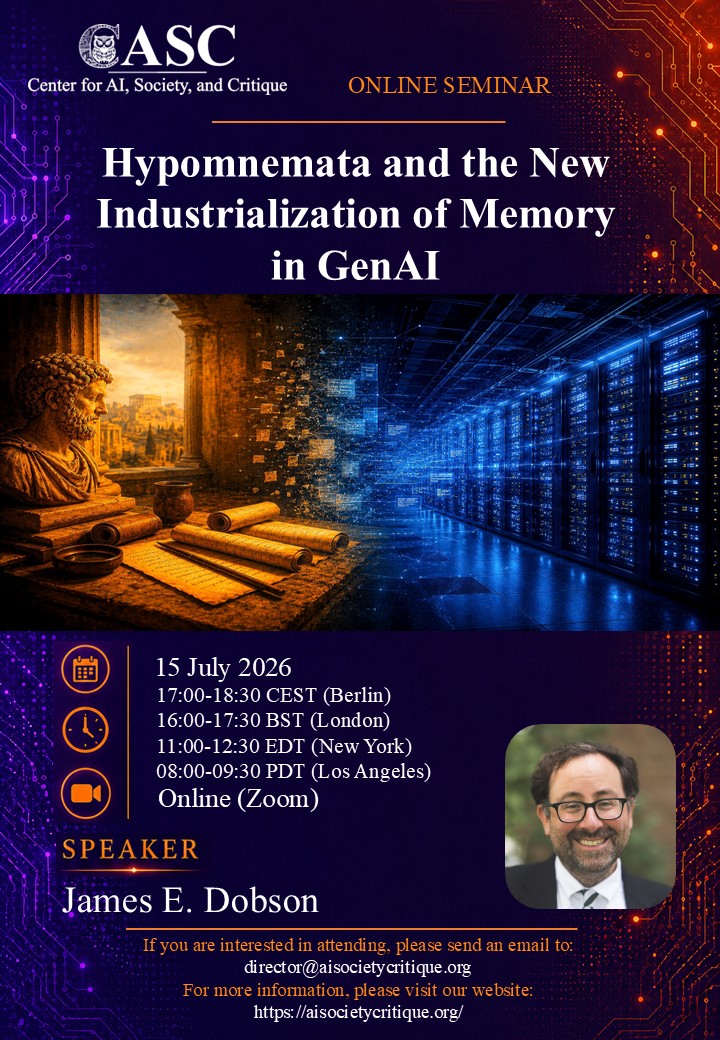
The Targeting State: AI, Surveillance, and Predictive Power
The seminar also addresses how state-led, AI-based interventions in education are reshaping learning environments, assessment practices, and administrative processes, thereby extending forms of algorithmic governance into core social institutions. Bringing together perspectives from digital literacy research, media archaeology, and political science, this seminar examines the entanglements of artificial intelligence, surveillance, and contemporary practices of policing and warfare. Contributors analyse